May 18, 2026
Rodents can create serious problems for homeowners once they find a way inside. Mice and rats can damage insulation, chew through materials, contaminate food, and leave droppings behind in hidden areas. Many people try to handle the issue on their own with traps, bait, or store-bought repellents, but the results are often temporary. A few rodents may disappear, only for new signs of activity to return days or weeks later.
DIY efforts often fail because rodent problems are rarely limited to what can be seen. Rodents are skilled at hiding, nesting, and traveling through small openings. Without identifying the source of the problem, homeowners may only treat the symptoms. Understanding why DIY methods fall short can help explain why professional rodent control services are often needed for a more complete solution.
1. Missing the Main Entry Points
One of the most common reasons DIY rodent control fails is that entry points are missed. Homeowners may notice droppings in a cabinet or hear scratching in a wall, but the real problem may begin outside. Rodents often enter through gaps around foundations, vents, utility lines, doors, rooflines, or damaged siding. If these openings are not found and sealed, new rodents can continue entering the home. Even a small crack or opening can provide enough space for rodents to gain access and begin nesting inside hidden areas.
Small gaps are easy to overlook, especially when they are behind shrubs, under decks, or along hard-to-see parts of the exterior. According to the American Lung Cancer Association, rats are able to fit through openings as small as ¾ inch, climb vertical surfaces, leap up to 24 inches, and withstand falls from heights exceeding 50 feet. This makes a thorough inspection especially important when trying to stop activity at the source. Without sealing these entry points properly, even successful trapping efforts may not prevent new rodents from entering.
2. Using Traps Incorrectly
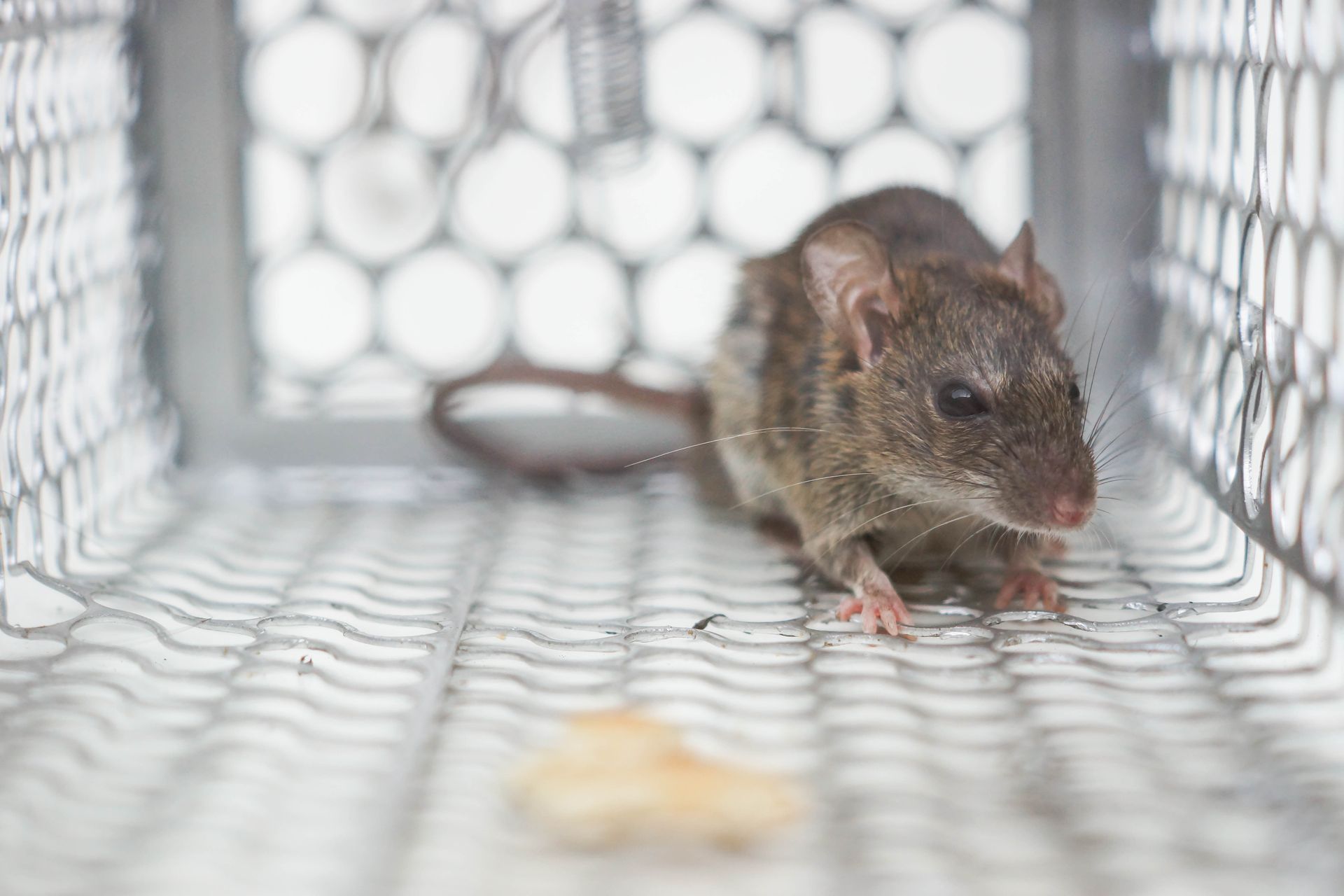
Traps can be useful, but placement and setup matter. Many homeowners place traps only where they see rodents, such as in the middle of a room or near an obvious food source. Rodents usually travel along walls, behind appliances, and through covered pathways because they prefer protected routes. When traps are placed in the wrong areas, rodents may avoid them completely.
Another issue is using too few traps or checking them inconsistently. A larger infestation may require a more strategic approach than a few traps in visible areas. Rodents can also become cautious around unfamiliar objects, especially if traps are not placed properly. Professional rodent control services use inspection findings to determine where activity is strongest and where control methods are most likely to work.
3. Relying on Repellents Alone
Many DIY products claim to repel rodents with scents, sounds, or natural ingredients. While some products may temporarily affect rodent behavior, repellents alone usually do not solve an infestation. If rodents have access to food, shelter, and nesting areas, they may simply move to another part of the home rather than leave entirely. This can make the problem harder to track.
Repellents also do not remove existing rodents, nests, droppings, or entry points. A homeowner may think the issue is improving when activity becomes less obvious, but rodents may still be present in walls, attics, basements, or crawl spaces. Effective control usually requires a broader plan that addresses access, activity, sanitation, and prevention together.
4. Overlooking Hidden Nesting Areas
Rodents often build nests in quiet, protected spaces where they are unlikely to be disturbed. These areas may include attics, wall voids, crawl spaces, garages, storage rooms, and spaces behind appliances. Homeowners may focus on kitchens or pantries because that is where droppings are most noticeable, but the nesting site may be somewhere else entirely.
If nests are not located, the problem can continue even after some rodents are trapped. Rodents reproduce quickly, and hidden nesting areas can support ongoing activity. Materials such as insulation, paper, fabric, and cardboard can all be used for nesting. Rodent control services often include a more detailed inspection of hidden spaces to determine how widespread the issue may be.
5. Ignoring Food and Water Sources
Rodents enter homes because they are looking for food, water, and shelter. DIY treatment often focuses on catching rodents without addressing what attracted them in the first place. Pet food, birdseed, crumbs, open pantry items, leaking pipes, trash, and clutter can all make a home more appealing. If these conditions remain, rodents have a reason to stay.
Sanitation and storage habits play a major role in rodent prevention. Food should be sealed in durable containers, trash should be secured, and spills or crumbs should be cleaned quickly. Outdoor food sources also matter, including compost piles, fallen fruit, and unsecured garbage cans. Without reducing these attractants, DIY control efforts may provide only short-term relief.
6. Underestimating the Size of the Infestation
Seeing one rodent does not always mean there is only one. Rodents are often most active at night, so homeowners may only notice a small part of the problem. Droppings, gnaw marks, tracks, noises, and odors can all suggest a larger infestation. Because much of the activity happens behind walls or in hidden areas, the true size of the issue can be difficult to judge.
Underestimating the infestation can lead to using too few control methods or stopping treatment too soon. A homeowner may catch one or two rodents and assume the problem is solved, while others remain active nearby. Rodent control services are designed to assess the level of activity and adjust the plan based on the signs found throughout the property.
7. Skipping Cleanup and Contamination Concerns
Rodent problems do not end when activity slows down. Droppings, urine, nesting materials, and contaminated surfaces may remain behind. These materials can create odors and may pose health concerns if handled improperly. DIY cleanup can also spread particles into the air if droppings are swept or vacuumed without proper precautions.
Cleanup should be handled carefully, especially in enclosed areas such as attics, crawl spaces, cabinets, and storage rooms. Contaminated insulation or stored items may need special attention. Professional guidance can help homeowners understand what areas need cleaning and how to reduce risks. This is another reason many people turn to rodent control services instead of relying only on traps or bait.
8. Failing to Prevent Future Activity
DIY rodent control often focuses on the immediate problem without creating a prevention plan. Even if current rodents are removed, the same conditions can attract new ones later. Unsealed gaps, accessible food, clutter, moisture, and outdoor shelter can all contribute to repeat infestations. Without prevention, the problem may return during colder weather or when outdoor food sources become limited.
Long-term prevention may include exclusion work, habitat reduction, sanitation improvements, and regular monitoring. Homeowners should inspect the exterior regularly, trim vegetation away from the home, store items off the floor, and address moisture problems. Rodent control services can help identify weak points and recommend steps that make the property less inviting to rodents over time.
DIY rodent control often fails because rodents are difficult to locate, quick to adapt, and capable of entering through very small spaces. Traps and repellents may help in limited situations, but they rarely address the full scope of the problem. Entry points, nesting sites, food sources, sanitation concerns, and prevention all need attention for lasting results. For a more reliable solution, professional rodent control services can provide a more thorough and effective approach. If you are dealing with signs of rodent activity and want a more complete approach, contact Annex Pest Control.