November 4, 2026
Gophers can damage vegetable gardens and flower beds by feeding on plant roots, creating underground tunnels, and pushing soil into unsightly mounds. Their activity can weaken plants, damage landscaping, and reduce vegetable yields. Because they spend much of their time underground, identifying an infestation early can be challenging. Preventive measures and effective removal strategies help protect gardens and preserve healthy plants.
According to the NPMA, 17% of Americans encountered rodents in their homes in 2025. Although this statistic focuses on indoor encounters, rodents can also create outdoor problems. Recognizing gopher activity helps property owners determine when professional intervention may be necessary, especially when damage continues despite preventive efforts. Taking action early can help protect growing plants before root damage becomes extensive.
Understanding Gopher Behavior and Habits
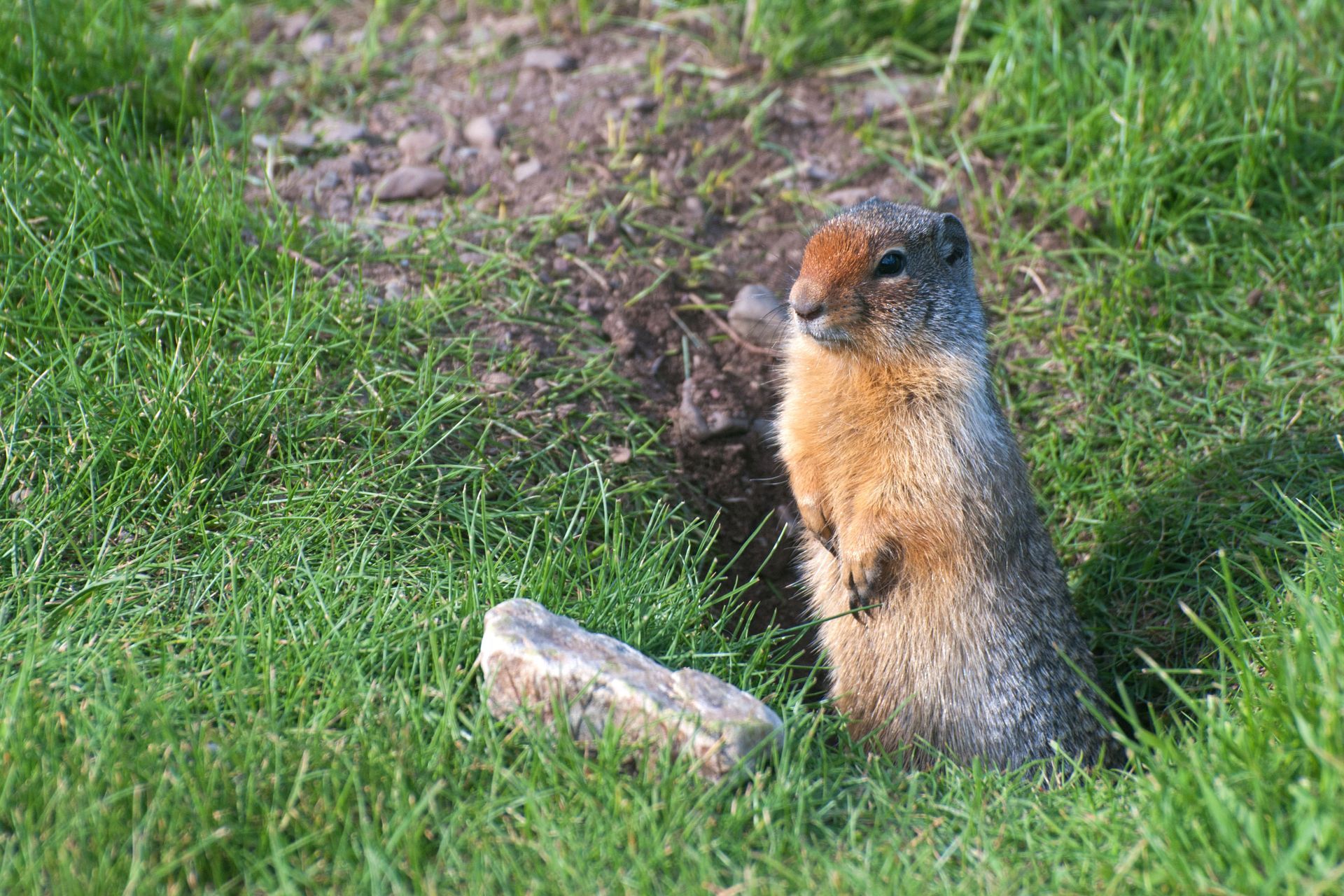
Gophers feed primarily on plant roots, bulbs, and other vegetation. Their underground tunnels allow them to reach food while remaining hidden. Crescent-shaped or fan-shaped soil mounds, damaged plants, and wilting vegetation can indicate their presence. Gophers typically push soil out through tunnel openings, leaving visible evidence of their activity.
Vegetable beds, flower borders, and landscaped areas offer abundant food and suitable soil for burrowing. Gophers can remain active throughout the year, depending on weather, soil conditions, and food availability. Repeatedly appearing mounds often indicate an active tunnel system. Underground feeding may also damage plants before homeowners notice obvious signs above the surface. Yellowing leaves or plants that struggle to grow may warrant a closer inspection of the surrounding soil.
Gopher populations can grow when suitable habitat and food remain available. Removing visible mounds without addressing the animals responsible will not resolve the underlying problem. Professional gopher control services can help identify active areas and determine appropriate treatment options. Early intervention may limit further damage to established gardens and valuable landscaping.
Installing Physical Barriers Around Garden Beds
Physical barriers can protect valuable plants by preventing gophers from reaching their roots. Galvanized hardware cloth, metal mesh, and underground plant baskets can provide protection when installed correctly. These materials are particularly useful for raised beds, newly planted shrubs, and small garden areas where protecting individual plants is practical. Choosing durable materials can also reduce the need for frequent repairs.
For in-ground gardens, underground mesh can be installed beneath planting areas or along selected boundaries. Barriers must be securely positioned to discourage tunneling underneath them. The appropriate depth depends on soil conditions, garden layout, and material type. Shallow fencing may provide limited protection against persistent burrowing.
Regular inspections help maintain these defenses. Check for gaps, exposed mesh, damaged edges, and soil movement that compromises the barrier. Raised beds with protected bottoms can be useful in areas with recurring gopher activity, although large landscapes may require additional management techniques. Combining barriers with professional gopher control services can help address activity that extends beyond protected planting areas.
Using Repellents and Garden Management Techniques
Commercial gopher repellents may discourage activity, but results vary depending on the product, soil conditions, and infestation severity. Some use odors or taste deterrents to make treated areas less attractive. Choose products labeled for the intended use and follow instructions for application and safety. Consider whether a product is appropriate for areas where vegetables and other edible plants are growing.
Garden maintenance can also help protect vulnerable plants. Remove damaged or fallen produce, keep garden borders accessible, and monitor areas where fresh mounds appear. These steps make it easier to detect changes in gopher activity, but removing plant debris alone will not eliminate an infestation because gophers feed on living roots.
Raised beds, underground plant baskets, and selective landscape planning provide additional protection. Repellents should be treated as one part of a broader strategy rather than a guaranteed solution. When plants continue declining, gopher control services can help determine whether targeted treatment is appropriate. Monitoring results over time also helps homeowners recognize when their current approach needs adjustment. Keeping notes about recurring damage can help identify which areas require closer attention.
Managing Gophers With Natural Predators
Natural predators, including certain owls, hawks, and snakes, contribute to rodent population management. Maintaining suitable habitat for native wildlife supports the ecosystem and may help limit gopher numbers. However, predators rarely provide reliable control of an established infestation in a garden.
Some homeowners consider dogs or cats as another deterrent. Although certain animals may detect burrowing rodents, their effectiveness varies, and digging can damage garden beds or expose irrigation lines. Pets may also encounter traps or pest control products if these are not secured properly.
Garlic and marigolds are sometimes suggested as natural deterrents, but evidence that these plants consistently prevent gopher activity is limited. Companion plants can benefit a garden, but they should not replace proven control methods. Combining sensible landscaping with professional gopher control services may offer a more dependable approach when activity persists.
Applying Safe and Effective Trapping Strategies
Trapping can reduce gopher activity when suitable equipment is placed in an active tunnel. Start by identifying fresh mounds and locating the associated tunnel system. Pest management professionals can assess these signs and select appropriate treatment based on the property's layout, infestation severity, and nearby plants. Identifying active tunnels before treatment helps avoid wasting time on abandoned areas.
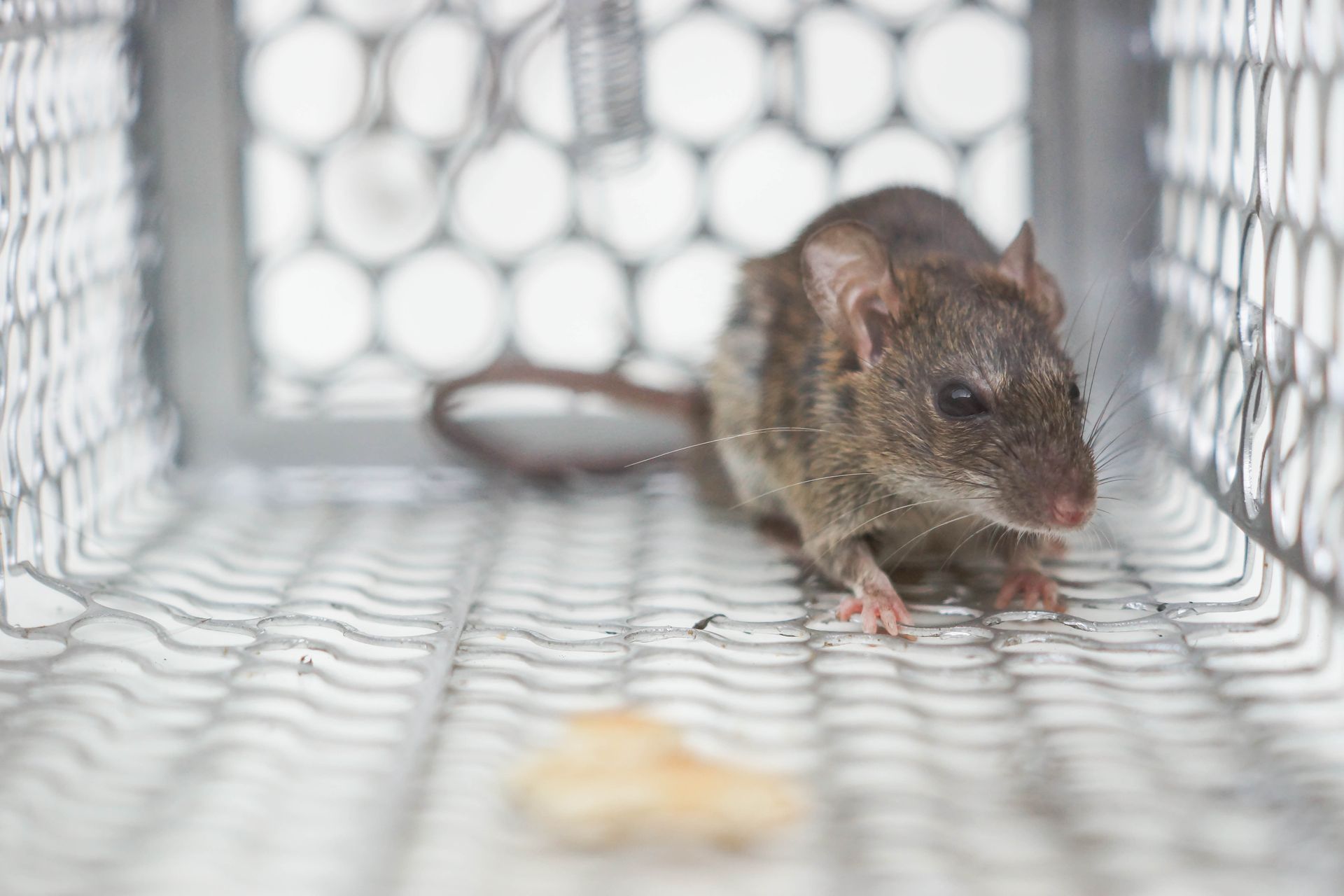
Trap placement matters because inactive tunnels may produce poor results. Traps must be positioned carefully to reduce risks to children, pets, and non-target wildlife. Follow local regulations and manufacturer instructions, since improper placement can create hazards without resolving the infestation. Homeowners who are unsure how to handle traps safely can seek professional assistance instead.
After treatment, monitor the garden for new mounds, damaged plants, and fresh tunnel openings. These signs may indicate remaining activity. A coordinated plan involving inspection, targeted removal, and follow-up assessment is often more effective than repeatedly treating isolated mounds. Professional gopher control services can help address infestations while accounting for garden safety and surrounding landscaping.
Exploring Additional Garden Protection Methods
Electronic deterrents use vibrations or sound to discourage burrowing animals. Although generally easy to install, their results can be inconsistent. Soil composition, placement, and the size of the affected area may influence performance. These devices should not replace treatment for an established infestation.
Changes to garden design can provide more practical long-term benefits. Raised beds with protected bases, root baskets for valuable plants, and careful placement of flower beds can reduce access to vulnerable growing areas. Inspecting irrigation systems and soil around trees and shrubs can also help homeowners notice damage earlier. Protecting underground utility and irrigation lines is particularly important where tunneling occurs near garden infrastructure.
Large infestations may require more targeted treatment than deterrent devices or landscaping changes can provide. A pest control professional can evaluate the affected area and recommend suitable options. Choosing gopher control services tailored to the property's conditions can help homeowners avoid relying on temporary solutions and establish an appropriate follow-up plan. Professionals can also explain which preventive measures are most practical for the property's layout and existing vegetation.
Maintaining Long-Term Protection for Gardens
Protecting vegetable gardens and flower beds requires ongoing attention. Check for new mounds, unexplained wilting, and disturbed soil around garden borders. Early detection helps determine whether damage is isolated or part of a larger infestation. Recording where new signs appear can also reveal recurring problem areas and help guide future treatment decisions.
Long-term prevention involves maintaining barriers, protecting vulnerable plants, and responding promptly to renewed activity. Because underground tunnels can extend beyond property boundaries, no single method works for every garden. Combining appropriate barriers, regular monitoring, and targeted treatment can help limit damage and protect the time and effort invested in landscaping.
Seasonal garden maintenance provides another opportunity to inspect vulnerable areas and repair damaged barriers before problems worsen. Homeowners should also pay attention to recurring plant loss, particularly when nearby vegetation appears healthy. These observations can help distinguish isolated plant problems from possible underground pest activity.
When gophers continue damaging plants despite preventive efforts, professional assistance can help restore control. Annex Pest Control can help property owners evaluate gopher activity and determine suitable next steps. Contact Annex Pest Control to discuss gopher control services and ways to protect your garden from persistent burrowing rodents.