November 7, 2026
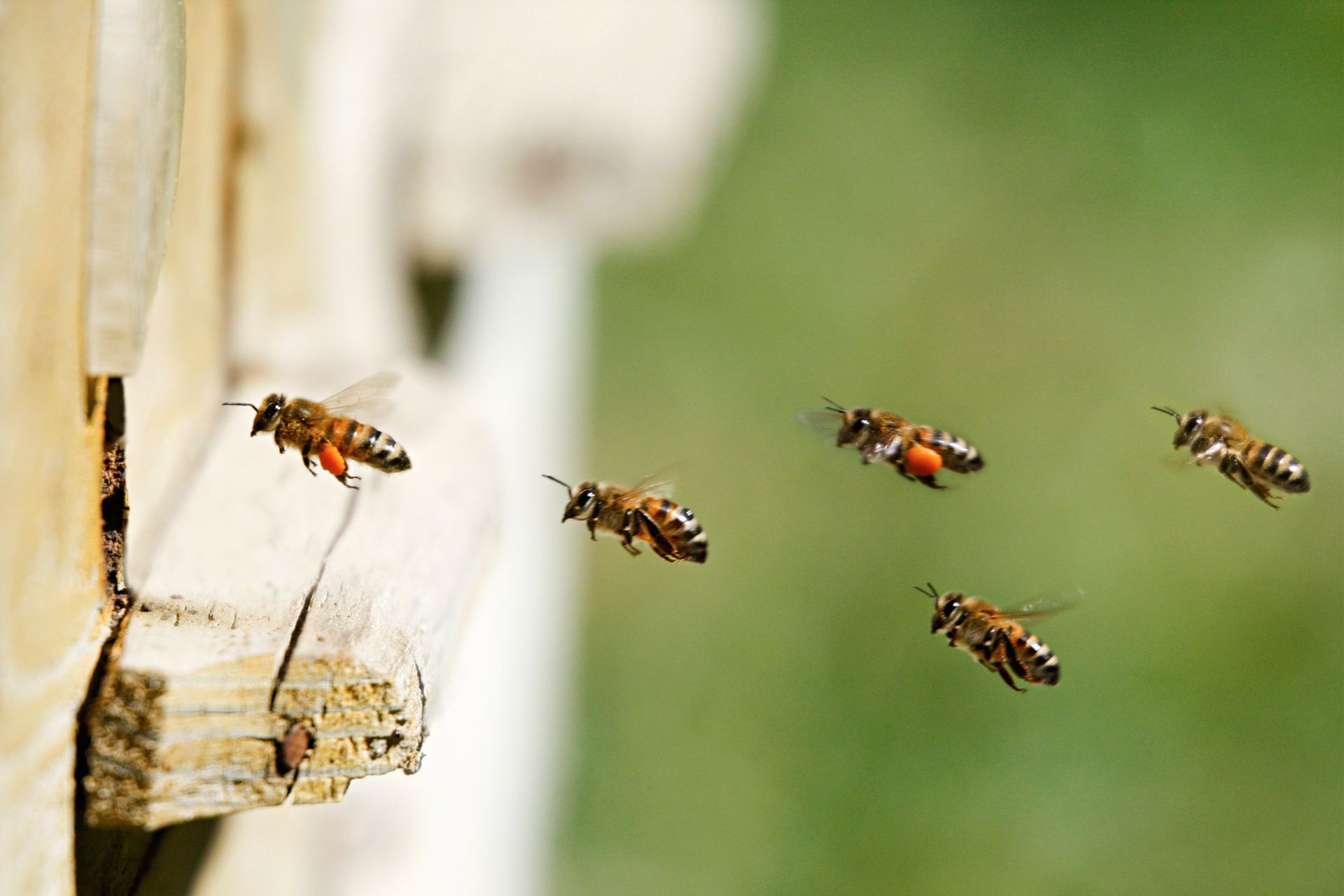
Bees play an important role in pollination and maintaining healthy ecosystems, but their presence near homes and businesses can sometimes create safety concerns. Nests near doorways, patios, rooflines, and other high-traffic areas may increase the risk of accidental encounters, particularly for people with sting allergies. When bees establish themselves in inconvenient locations, professional assistance can help property owners determine the safest and most appropriate response. Hiring a bee control service can help mitigate potential risks while protecting beneficial pollinators.
Improving Safety Around Your Property
One of the main reasons to seek professional help is to reduce the risk of stings. Bees generally defend themselves when they feel threatened, especially when their nest is disturbed. Activities such as mowing the lawn, trimming shrubs, or completing exterior maintenance can unintentionally provoke defensive behavior if a nest is nearby.
For individuals with severe sting allergies, even a single sting can cause a life-threatening reaction. Children, pets, and visitors may also encounter bees without realizing a nest is close. When colonies establish themselves around entrances, outdoor seating areas, or frequently used walkways, avoiding accidental contact becomes more difficult.
A professional bee control service can help assess the situation and determine an appropriate course of action. Trained nest's location to identify the location of the nest, evaluate potential hazards, and recommend suitable measures based on the species and the surrounding environment.
Rather than attempting to remove a nest independently, property owners can rely on experienced professionals who understand bee behavior and the precautions needed to minimize risks. This approach helps protect occupants while reducing the likelihood of unnecessarily disturbing a colony.
Identifying Bee Species and Nest Locations
Not every flying insect that resembles a bee is the same species. Honey bees, bumblebees, carpenter bees, yellowjackets, and other stinging insects have different behaviors, nesting habits, and management requirements. Correct identification is important because the appropriate response depends on the insect involved.
Honey bees often establish colonies in protected cavities, such as wall voids, hollow trees, and other sheltered spaces. Bumblebees may nest in the ground or abandoned cavities, while carpenter bees typically bore into untreated or weathered wood. Some wasps, including yellowjackets, can also be mistaken for bees despite their different nesting habits and behavior.
Misidentifying an insect can lead to ineffective treatment or unnecessary harm to beneficial species. A professional can examine the insects, locate nesting activity, and determine whether the situation involves bees or another stinging pest.
A qualified bee control service can also help identify conditions that may attract insects to a property. Open wall cavities, damaged wood, and sheltered spaces may provide suitable nesting locations. Understanding these factors allows property owners to make informed decisions about how to address the current problem and reduce the likelihood of future encounters.
Preventing Property Damage and Recurring Problems
Although bees are not generally as destructive as some other pests, certain nesting behaviors can pose property concerns. Carpenter bees, for example, bore into wood to create nesting tunnels. Repeated activity over time may leave visible holes and contribute to deterioration, particularly when untreated wood remains exposed.
Honey bee colonies can create additional challenges when they establish themselves inside building cavities. In some situations, accumulated honey, wax, and other nest materials may attract secondary pests or cause staining if the colony dies or abandons the site. Removing a colony from an inaccessible space may require specialized planning to avoid leaving behind materials that could create further problems.
Professional assessment helps determine whether the insects are nesting in a location that requires intervention. A bee control service can evaluate the extent of the activity and recommend an appropriate response based on the species, nest location, and condition of the surrounding structure.
Property owners should avoid sealing active nest entrances without professional guidance. Blocking access may force insects to seek alternative routes into occupied spaces, potentially increasing encounters indoors. Addressing the underlying issue properly can help prevent complications and support long-term property maintenance.
Choosing Safer and More Appropriate Treatment Options
Managing stinging insects requires careful consideration of both human safety and environmental impact. Bees contribute to pollination, supporting flowering plants, gardens, and agricultural ecosystems. Because of their ecological importance, unnecessary extermination should be avoided whenever a suitable alternative is available.
Professional technicians can assess whether relocation, exclusion, or another management approach may be appropriate. Honey bee colonies may sometimes be eligible for relocation by qualified beekeepers or specialists, depending on their location and condition. Other situations may require different measures, particularly when the insects pose an immediate safety concern.
According to IBISWorld, insect extermination services for pests such as cockroaches and ants account for a substantial share of the pest control industry's revenue, with more than 90.0% of industry professionals providing these services. This reflects the widespread need for professional pest management, although bee-related situations require their own assessment and species-specific approach.
A professional bee control service can help property owners understand their options before taking action. Trained specialists can consider the risks to occupants, the type of insect, and the surrounding environment when recommending a solution.
Attempting to use pesticides without proper knowledge may expose people, pets, and beneficial insects to unnecessary risks. Professional guidance helps ensure that any treatment is selected and applied with appropriate precautions.
Saving Time and Avoiding Unnecessary Risks
Removing or managing a bee nest without the right knowledge can be dangerous and time-consuming. Store-bought sprays and improvised removal methods may fail to address the colony, particularly when insects are nesting inside walls, beneath rooflines, or in other concealed spaces.
Disturbing a nest can trigger defensive behavior, while incomplete removal may leave the underlying problem unresolved. Property owners may also struggle to determine whether insects are entering through a structural opening or whether there is additional nesting activity elsewhere on the property.
Hiring a professional bee control service provides access to trained personnel who understand insect behavior, protective equipment, and appropriate management procedures. Their assessment can help clarify the scope of the problem and establish a practical plan for addressing it.
Professional assistance can also save time by reducing guesswork. Instead of repeatedly attempting temporary solutions, property owners can receive guidance on the steps needed to manage the immediate concern and prevent avoidable complications.
Reducing the Likelihood of Future Bee Activity
After addressing an active nest, property owners can take preventive steps to make their surroundings less attractive to certain nesting insects. Prevention does not guarantee that bees will never return, but maintaining the property can reduce opportunities for unwanted nesting and help occupants recognize potential problems early.
Consider the following maintenance practices:
- Seal appropriate gaps and openings around the exterior of the home after confirming that no active colony remains inside.
- Repair damaged or weathered wood that may attract carpenter bees.
- Inspect rooflines, sheds, decks, and other sheltered areas periodically for signs of nesting activity.
- Keep outdoor eating areas clean and promptly remove food scraps and sugary spills that may attract other stinging insects.
- Avoid disturbing unfamiliar nests, and seek professional guidance when insect identification is uncertain.
Property owners should remember that bees visiting flowers are not necessarily a sign of an infestation. Pollinators naturally move between flowering plants, and their presence alone usually does not require intervention.
When nesting activity occurs near people or inside building structures, a professional assessment can help determine whether further action is necessary.
Protecting Your Property With Professional Bee Management
Bees provide important environmental benefits, but nests in unsuitable locations can create safety concerns and property maintenance challenges. A professional bee control service helps property owners identify the insects involved, evaluate potential hazards, and choose an appropriate management strategy. It can also reduce the risks associated with attempting nest removal without proper training or equipment.
Taking a careful, informed approach allows homeowners and businesses to address genuine concerns while recognizing the value of beneficial pollinators. For help assessing a bee problem and determining the appropriate next steps, contact Annex Pest Control to discuss professional pest management solutions for your property.