November 10, 2026
Attic insulation plays an important role in maintaining indoor comfort, regulating temperatures, and supporting energy efficiency. However, rodents can damage insulation by nesting in it, contaminating it with droppings and urine, and creating openings that allow conditioned air to escape. Recognizing the signs of rodent activity and addressing infestations promptly can help homeowners protect their insulation and avoid costly repairs. A professional rodent control service can help identify entry points, address active infestations, and reduce the risk of future damage.
Understanding How Rodents Damage Attic Insulation
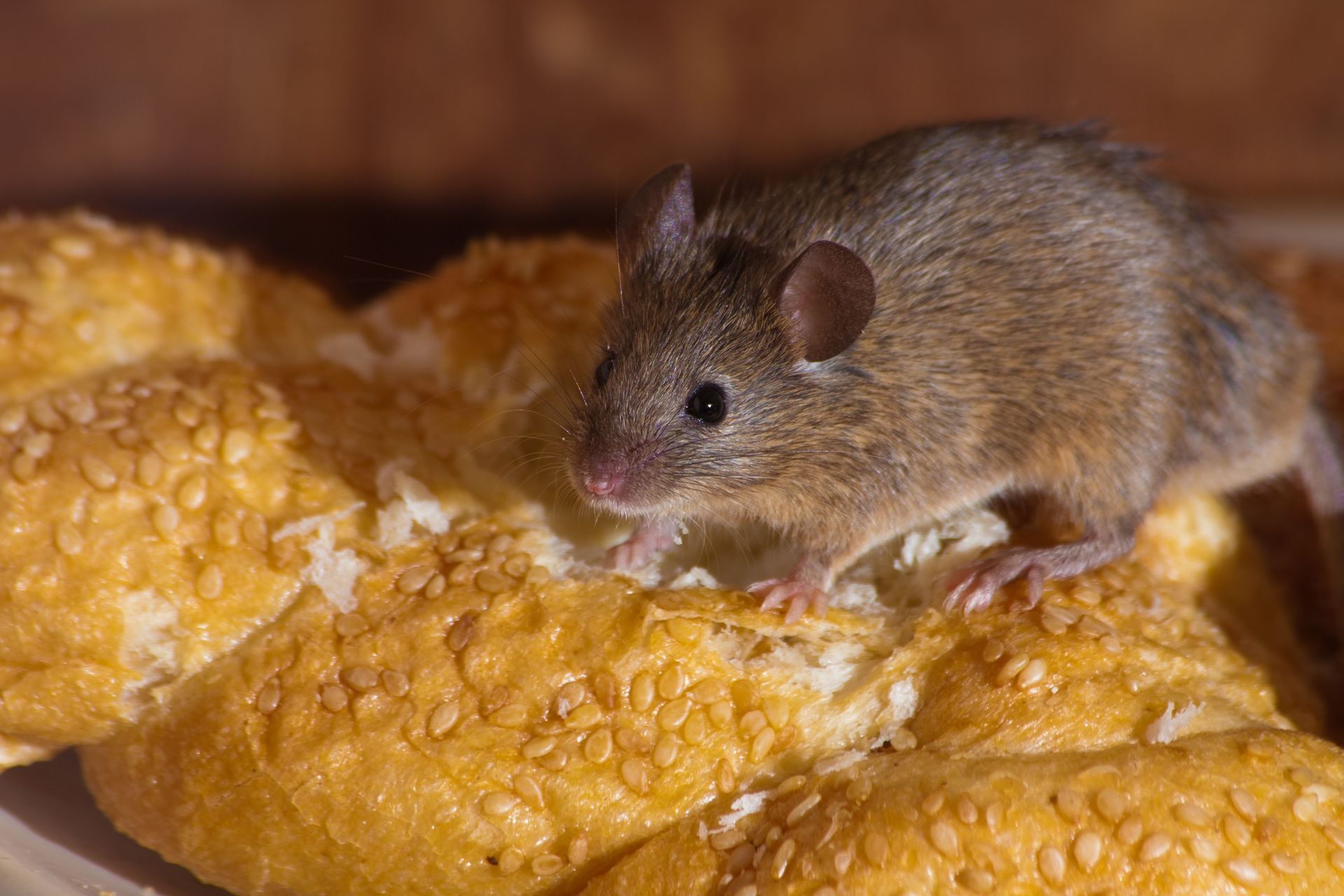
Attics provide rodents with many of the conditions they need to survive, including shelter, warmth, and protection from predators. Mice and rats can squeeze through surprisingly small openings to reach these spaces, where they may establish nests and reproduce if conditions are favorable.
Once inside, rodents can damage insulation in several ways. They may burrow through fiberglass batts, pull apart loose-fill materials, or move insulation to create nesting areas. These activities can leave gaps that reduce insulation coverage and allow heat to transfer more easily between the attic and living spaces.
Rodents can also contaminate insulation with urine, droppings, and nesting debris. This contamination may cause unpleasant odors and pose health risks to occupants. In addition, rodents sometimes chew on nearby wiring, wood, and other building materials, increasing the potential for further property damage.
Addressing rodent activity early can limit the extent of these problems. A rodent control service can help determine where rodents are active, assess the conditions contributing to an infestation, and recommend appropriate measures to protect the attic.
Recognizing the Signs of Rodent Activity
Rodents often remain hidden in attics, especially during daylight hours. Homeowners may not see the animals themselves, but several warning signs can indicate that rodents have entered the space.
Common indicators include:
- Droppings and Urine Odors: Small droppings near insulation, along attic beams, or around stored belongings may indicate rodent activity. Persistent musty or ammonia-like odors can also suggest contamination.
- Scratching and Scurrying Sounds: Movement in ceilings or attic spaces, particularly at night, may indicate mice or rats traveling through the home.
- Damaged Insulation: Flattened, displaced, shredded, or missing insulation can point to nesting or burrowing activity.
- Chew Marks: Gnawing on wood, plastic, wiring, or stored materials may signal that rodents are exploring the attic.
- Entry Openings: Gaps around rooflines, vents, utility lines, and other exterior features can provide access to the attic.
According to Home Gnome, rats are widespread throughout the United States, and four states each have rat populations exceeding 10 million. This broad distribution highlights why homeowners should not assume their properties are immune to rodent problems.
When these signs appear, it is important to investigate the source of the activity. A professional rodent control service can help identify the pest involved and determine the next steps for addressing the infestation.
Identifying Common Rodent Entry Points
Rodents usually enter attics through openings along a home's exterior. Even small gaps can provide access, particularly for mice, which can squeeze through narrow spaces. Rats may use larger openings or enlarge vulnerable areas by gnawing.
Roof edges, soffits, fascia boards, and roof vents are common places to inspect. Damaged screens or loose vent covers can leave openings that rodents can exploit. Gaps around plumbing pipes, electrical lines, and other utility penetrations may also create access routes.
Homeowners should check the condition of exterior materials and look for damaged weatherstripping, loose siding, and deteriorated seals. Tree branches that touch or overhang the roof may provide rodents with convenient routes toward the structure.
Identifying entry points is essential because removing rodents without addressing how they entered can leave the home vulnerable to another infestation. A rodent control service can help locate access areas and recommend appropriate exclusion measures. Sealing openings with suitable materials and repairing damaged exterior features can make it more difficult for rodents to return.
Protecting Insulation Through Preventive Maintenance
Regular attic inspections can help homeowners detect early signs of rodent activity before substantial insulation damage occurs. Checking the attic periodically for droppings, nesting materials, unusual odors, and disturbed insulation can reveal problems that might otherwise go unnoticed.
Homeowners should also reduce conditions that attract rodents. Food should be stored in sealed containers, garbage should be secured, and pet food should not be left outdoors overnight. Keeping storage areas organized can make it easier to identify new signs of activity and reduce places where rodents can hide.
Exterior maintenance is equally important. Repairing damaged vents, maintaining roof components, and sealing gaps around utility lines can reduce opportunities for entry. Vegetation should also be trimmed away from the roof and exterior walls where practical.
When an infestation is suspected, avoid disturbing contaminated insulation or handling droppings without appropriate precautions. Rodent waste can carry harmful microorganisms, and improper cleanup may expose occupants to contaminated dust. Professional guidance can help homeowners determine whether insulation requires cleaning, removal, or replacement after the infestation has been addressed.
A rodent control service can also help homeowners develop a prevention plan based on the property's condition and the type of rodent involved. Combining pest management with routine maintenance provides a stronger defense against recurring problems.
Restoring Attic Conditions After an Infestation
Once rodents have been removed and entry points sealed, homeowners should evaluate the condition of the attic insulation. The extent of the damage determines whether existing materials can remain in place or need professional attention.
Insulation that is simply displaced may sometimes be repositioned if it remains clean, dry, and in good condition. However, materials contaminated by urine, droppings, or nesting debris may require removal and replacement. Wet, compressed, or heavily damaged insulation can also lose effectiveness and may no longer provide adequate thermal protection.
Before replacing insulation, it is important to resolve the conditions that allowed rodents to enter. Otherwise, new materials may become damaged again. Homeowners should also inspect nearby wiring and building materials for chewing or other signs of deterioration and arrange qualified repairs when needed.
A rodent control service can help address the infestation and reduce the likelihood of further contamination. Coordinating pest management with appropriate insulation repairs helps restore the attic's condition and supports long-term home performance.
Maintaining Long-Term Protection for Your Attic
Protecting attic insulation requires more than responding to visible rodent activity. Consistent inspections, prompt exterior repairs, secure food storage, and attention to potential entry points can help prevent future infestations. Homeowners should remain alert to changes in attic odors, unusual sounds, and signs of disturbed insulation. Regularly checking roof vents, soffits, and utility openings can also help identify vulnerabilities before rodents enter.
It is also important to act quickly when warning signs appear. Rodents can reproduce rapidly under favorable conditions, allowing a small problem to become more difficult to manage. Early intervention can limit damage, reduce contamination, and help homeowners avoid unnecessary insulation replacement.
Professional assistance is especially useful when rodents repeatedly return, entry points are difficult to locate, or contamination extends across a large area of the attic. A rodent control service can help identify access points, address existing activity, and recommend preventive measures tailored to the property. Annex Pest Control can help homeowners address rodent concerns and take practical steps toward protecting their property.
For help addressing rodent activity and protecting your attic insulation, contact Annex Pest Control to discuss your pest control needs and arrange professional assistance.