November 23, 2026
Insects are among the most persistent pest problems affecting residential and commercial properties. From cockroaches and ants to termites and mosquitoes, these unwanted visitors can threaten property, disrupt daily activities, and create health concerns. Their ability to reproduce quickly and adapt to different environments makes professional pest management an essential service for many property owners.
At Annex Pest Control, we understand the challenges that insect infestations create. Working with an experienced exterminator can help property owners address existing pest problems while reducing the likelihood of recurring infestations. Understanding why insect control dominates the pest management industry highlights the importance of professional inspections, targeted treatments, and ongoing prevention.
Understanding the Prevalence of Insect Infestations
Identifying Common Insect Pests
Insects thrive in residential neighborhoods, commercial buildings, agricultural environments, and outdoor spaces. Common pests include ants, termites, cockroaches, mosquitoes, and various species of beetles. Each presents different challenges depending on its behavior, preferred habitat, and potential impact on a property.
Cockroaches can contaminate surfaces and trigger allergic reactions, while termites may cause extensive structural damage. Mosquitoes can transmit certain diseases, and ants frequently invade buildings while searching for food and moisture.
An experienced exterminator can identify the insects involved and recommend appropriate treatments based on the infestation's characteristics.
Understanding Rapid Reproduction Rates
One reason insects are difficult to manage is their reproductive capacity. Many species develop rapidly under favorable conditions, allowing relatively small populations to become substantial infestations.
Temperature, moisture, shelter, and food availability influence insect development. Certain pests also establish colonies in concealed locations, making their presence difficult to detect.
Professional pest management focuses on understanding these reproductive patterns. By identifying breeding locations and monitoring activity, technicians can develop treatment strategies that address more than the insects immediately visible.
Recognizing Industry Demand
Insect problems represent a significant portion of professional pest management services throughout the country.
According to IBISWorld, insect extermination and control is the largest segment of the pest control industry in the United States.
This industry finding reflects the widespread need to manage insects across different properties and environments. Unlike some pests that appear primarily in specific locations, insects can establish themselves in nearly any setting.
Consequently, property owners frequently depend on professional services to manage infestations and maintain comfortable environments.
Examining the Economic Impact of Insect Infestations
Preventing Structural Property Damage
Certain insects can compromise building materials and create expensive maintenance problems. Termites are particularly concerning because they consume cellulose found in wood and other materials.
Carpenter ants can also damage wooden structures by excavating galleries for nesting. These problems may develop behind walls, beneath flooring, or inside other concealed areas.
Without professional attention, infestations can remain undetected until visible damage appears. A qualified exterminator can inspect vulnerable areas, identify evidence of activity, and recommend treatments appropriate for the property.
Reducing Health and Sanitation Concerns
Insect infestations can create concerns beyond structural deterioration. Cockroaches may introduce contaminants into food preparation areas, while their droppings and body fragments can contribute to allergies and asthma symptoms.
Mosquitoes are another concern because certain species transmit illnesses through their bites. Stinging insects may also create serious risks for individuals with severe allergies.
Professional pest control helps address these concerns by identifying pest activity and implementing targeted management strategies. Treatment recommendations depend on the species, infestation severity, and surrounding conditions.
Protecting Commercial Operations
Businesses face additional challenges when insects enter their facilities. Restaurants, warehouses, grocery stores, and food processing operations must maintain sanitary conditions to protect products and customers.
Stored-product pests can contaminate packaged goods, while cockroaches and other insects may create sanitation concerns in commercial kitchens.
An infestation can interrupt operations, increase maintenance expenses, and damage customer confidence. Working with an exterminator allows businesses to establish inspection schedules and treatment programs that support their pest management needs.
Exploring Professional Insect Control Strategies
Applying Targeted Treatment Methods
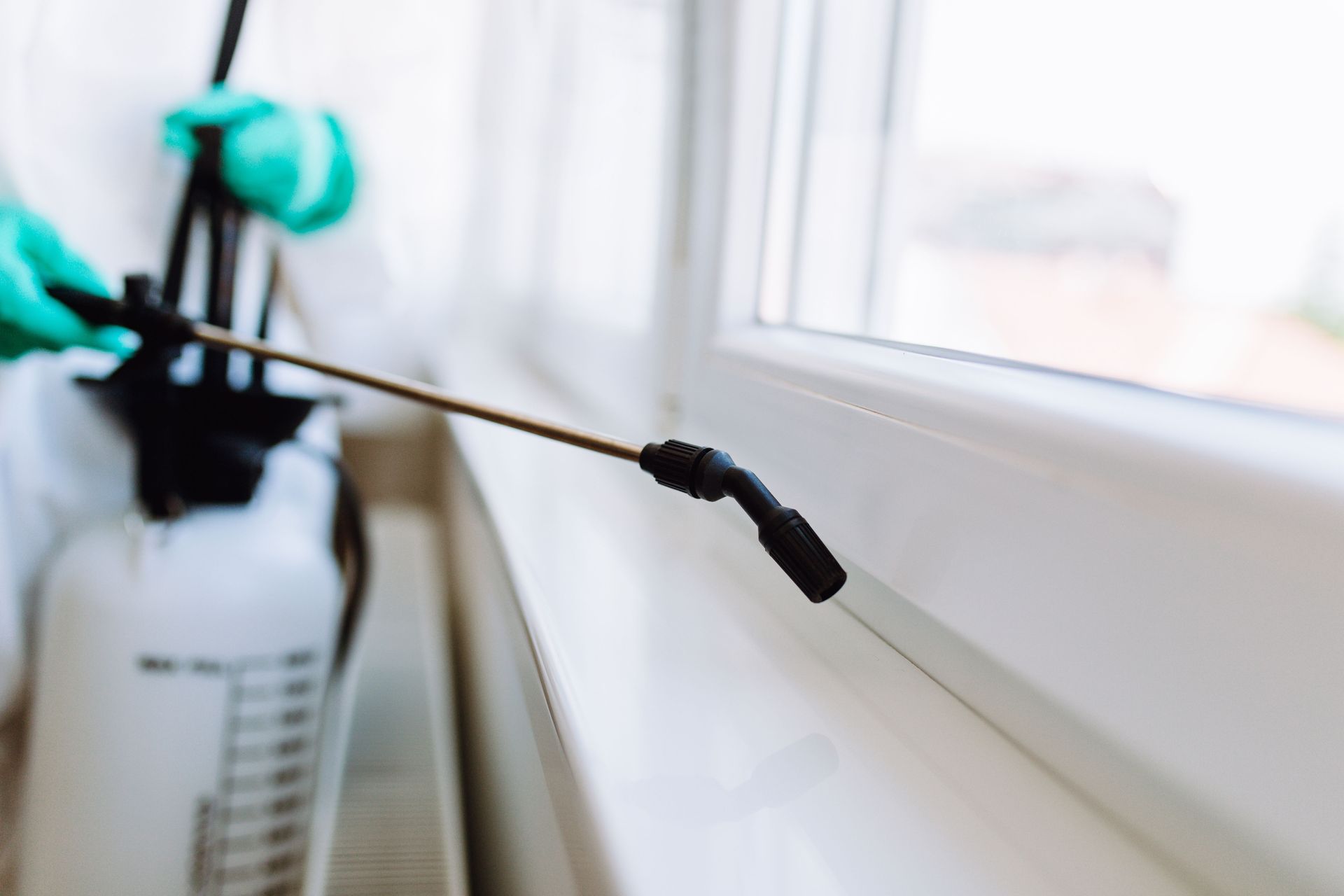
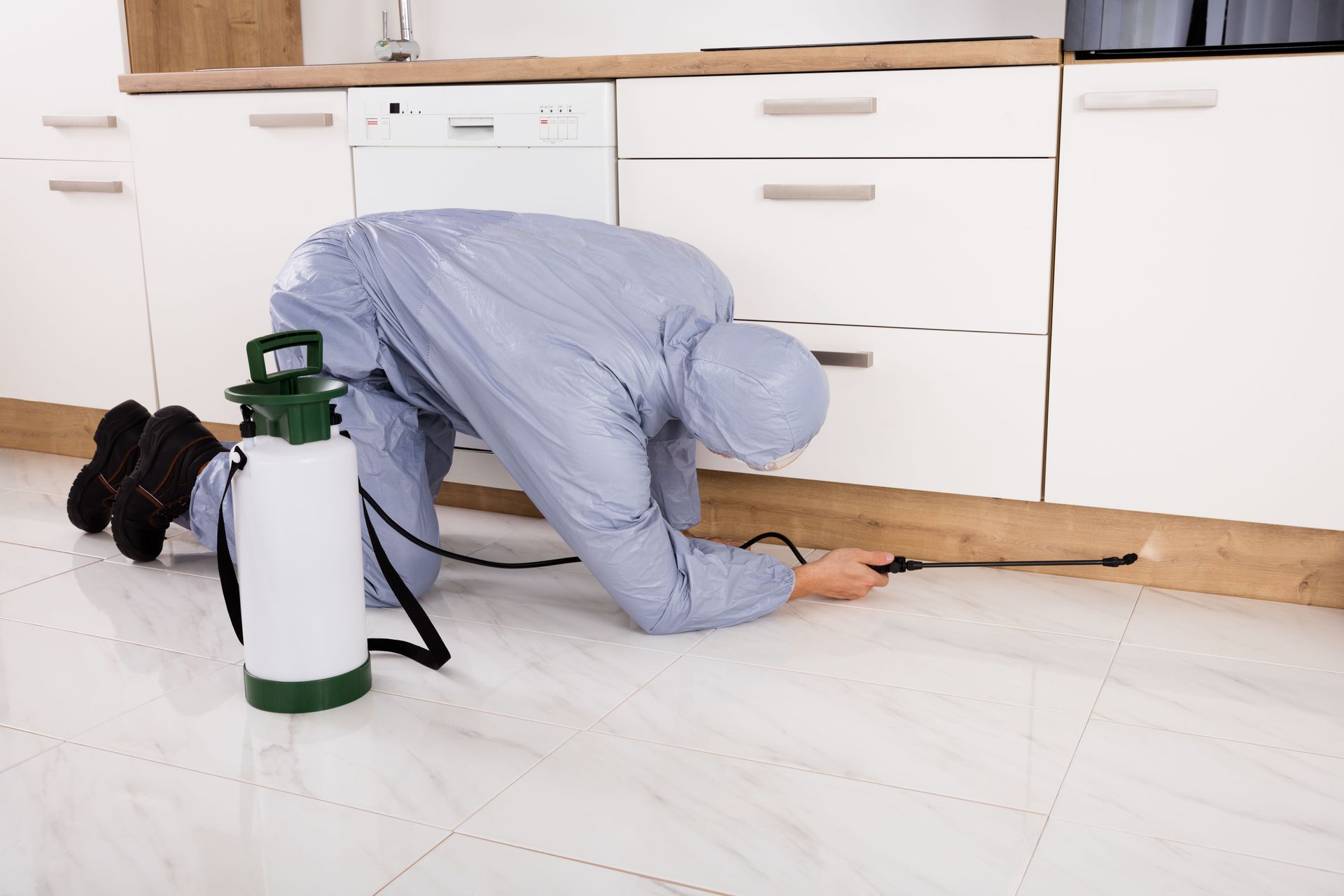
Professional pest control involves more than applying insecticides. Effective treatment begins with identifying the pest species, locating areas of activity, and evaluating environmental conditions.
Different insects require different management approaches. Termite treatments, for example, differ considerably from methods used to address cockroaches or mosquitoes.
At Annex Pest Control, we recognize that understanding the specific infestation is essential when developing an appropriate treatment plan. A professional exterminator can evaluate available options and select methods suited to the property and pest problem.
Incorporating Integrated Pest Management
Integrated Pest Management, commonly called IPM, combines multiple techniques to address pest populations while limiting unnecessary pesticide applications.
This approach emphasizes inspection, monitoring, pest identification, and targeted intervention. Depending on the circumstances, professionals may recommend structural modifications, habitat management, exclusion measures, or carefully selected treatments.
IPM also considers the conditions that allow infestations to develop. Moisture accumulation, accessible food sources, and concealed nesting areas can contribute to recurring insect activity.
By evaluating these factors, pest management professionals can create more comprehensive strategies for long-term control.
Utilizing Modern Monitoring Technology
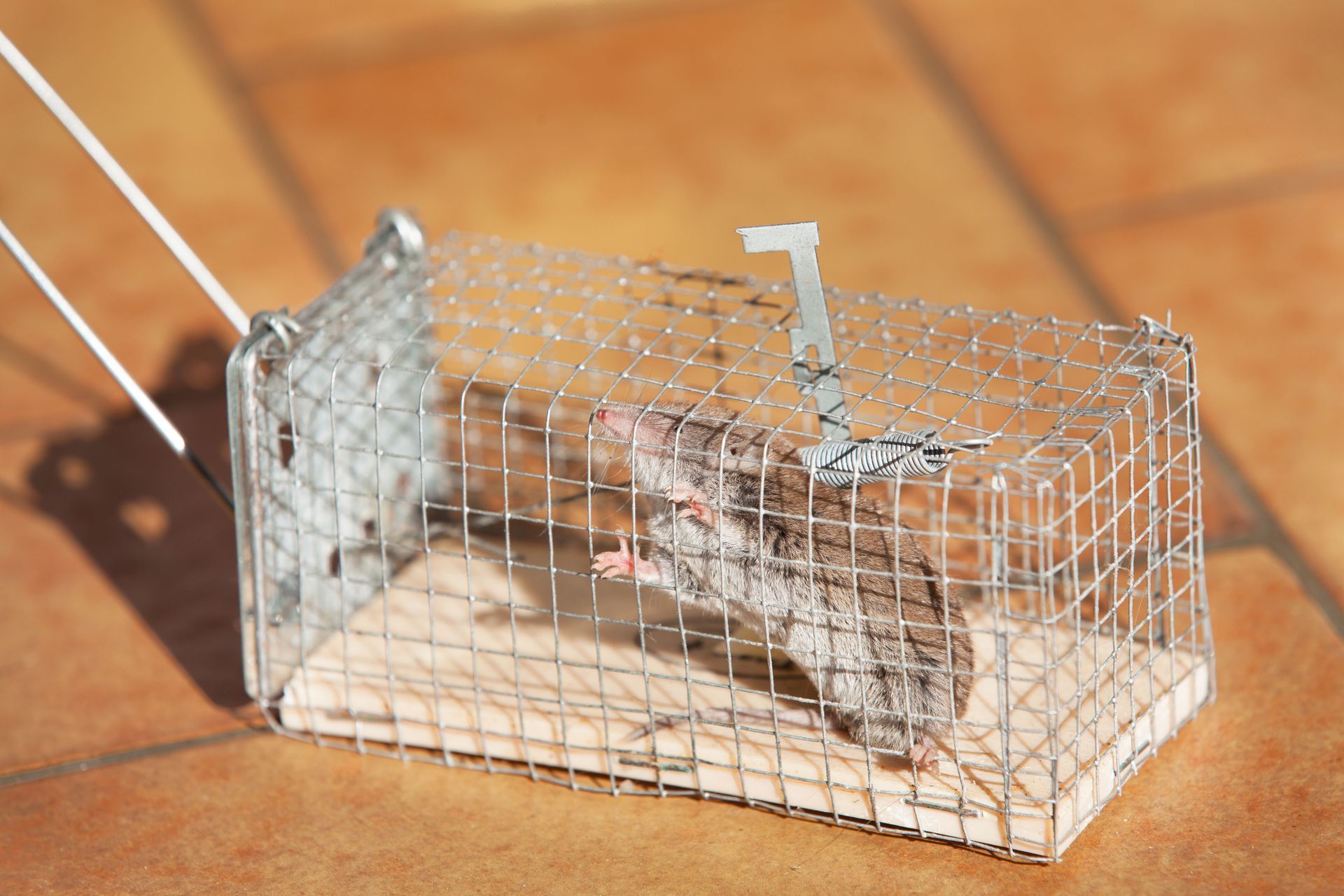
Technology continues to influence how pest control professionals identify and monitor infestations. Specialized traps, monitoring devices, and digital documentation systems can help technicians track activity over time.
These tools provide information about pest movement, infestation patterns, and treatment effectiveness. Monitoring can be particularly valuable for commercial facilities requiring consistent pest management documentation.
Although technology supports professional decision-making, accurate identification and experience remain essential. An exterminator must interpret monitoring results and determine whether adjustments to the treatment program are necessary.
Understanding Consumer Expectations for Pest Control
Prioritizing Responsible Treatment Practices
Property owners increasingly want pest management solutions that consider occupants, pets, and surrounding environments.
Responsible pest control involves selecting appropriate products, following label requirements, and applying treatments according to applicable regulations. Professionals also evaluate whether nonchemical approaches can contribute to effective management.
Not every infestation requires the same treatment intensity. The appropriate response depends on the pest involved, the extent of activity, and the conditions surrounding the property.
Clear communication helps customers understand recommended procedures, preparation requirements, and any necessary precautions.
Emphasizing Preventive Pest Management
Many insect infestations develop gradually before becoming obvious. Routine professional inspections can identify early warning signs and conditions that may attract unwanted pests.
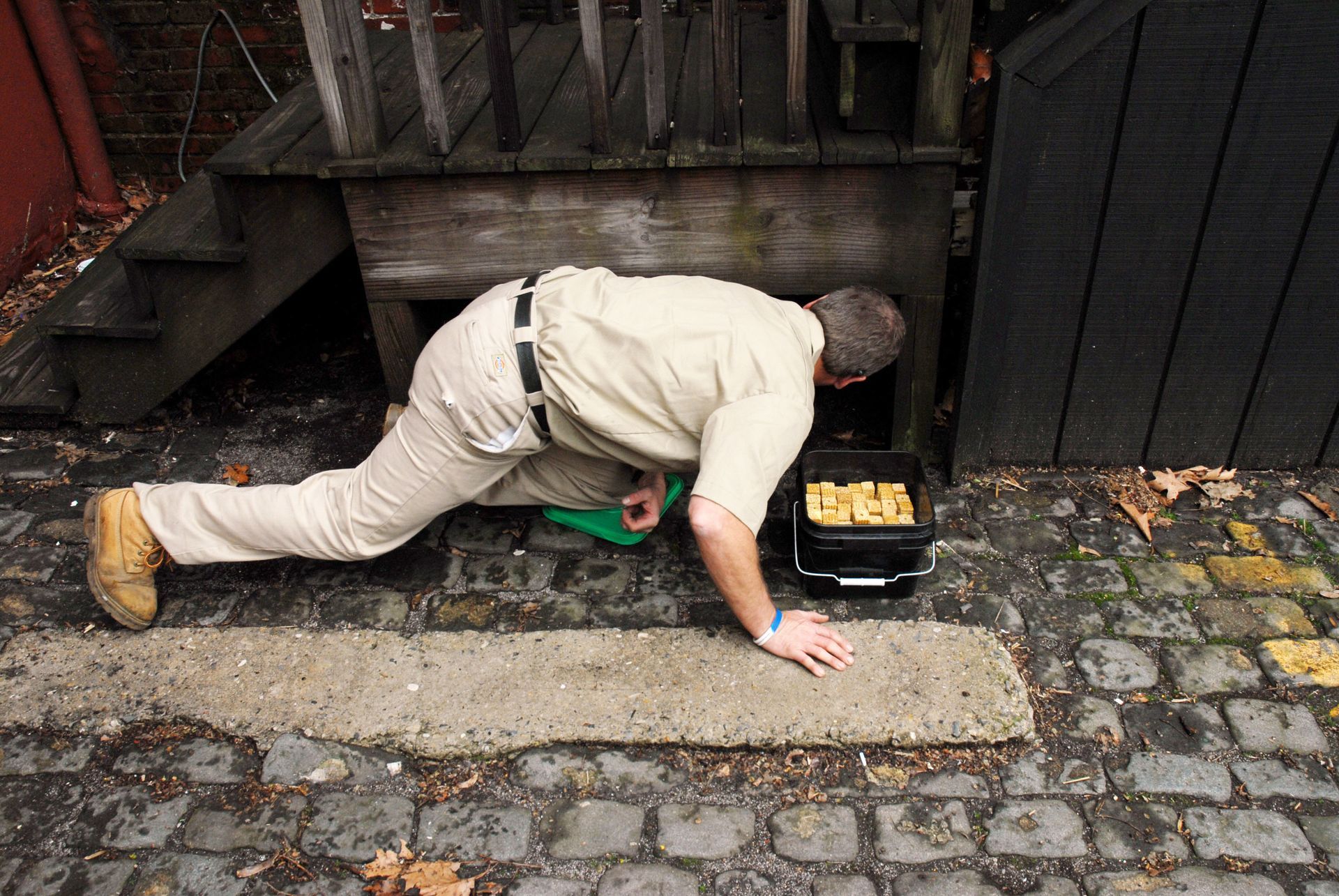
Preventive services may include monitoring vulnerable areas, assessing moisture-related concerns, and identifying potential entry points. These evaluations help establish a clearer understanding of a property's ongoing pest risks.
A professional exterminator can also recommend an inspection schedule based on seasonal activity, previous infestations, and property characteristics.
Preventive management cannot guarantee that insects will never return, but it can support earlier detection and more timely intervention.
Building Confidence Through Professional Expertise
Choosing pest control services involves evaluating experience, communication, and the ability to address specific concerns.
Property owners benefit from understanding which pests are present, why particular treatments are recommended, and what results they should reasonably expect.
Professional technicians can explain treatment limitations, discuss follow-up requirements, and identify conditions that might contribute to future activity.
At Annex Pest Control, we believe informed customers are better prepared to make decisions about protecting their properties. Our approach emphasizes understanding pest concerns and recommending professional solutions suited to individual circumstances.
Recognizing the Future of Insect Pest Management
Adapting to Environmental Changes
Environmental conditions continue to influence insect activity and distribution. Temperature fluctuations, changing precipitation patterns, and urban development can affect where certain species thrive.
Expanding neighborhoods and commercial developments may create additional opportunities for insects to access buildings, food, and shelter.
These changing conditions reinforce the importance of professional pest identification and adaptable management programs.
Advancing Professional Pest Control Services
The pest management industry continues to develop improved monitoring tools, treatment techniques, and integrated strategies.
Research into insect behavior and resistance helps professionals refine their approaches. Meanwhile, growing attention to responsible pesticide use encourages careful product selection and application.
As insect management practices evolve, property owners benefit from working with knowledgeable professionals who understand current techniques and regulatory requirements.
Choosing Reliable Insect Control Services
Insect infestations can affect comfort, sanitation, property conditions, and business operations. Their widespread presence helps explain why insect extermination remains such an important component of the pest control industry.
Whether dealing with recurring ants, suspected termite activity, or persistent cockroach problems, professional evaluation provides a practical starting point.
At Annex Pest Control, we help property owners address insect concerns through professional pest management services. If you need an experienced exterminator, contact our team to discuss your pest concerns and learn more about available treatment options.