November 22, 2026
Rats are persistent pests that can find their way into homes through surprisingly small openings and adapt to many different environments. Even when homeowners take steps to keep their properties clean and secure, these rodents can exploit structural weaknesses, locate hidden food sources, and establish nests in hard-to-reach areas. Their physical abilities and resourceful behavior make prevention challenging without a consistent strategy. Understanding why rats are so difficult to exclude can help homeowners recognize vulnerabilities and determine when a professional rodent control service is necessary.
Understanding the Physical Abilities of Rats
One of the biggest challenges in preventing rat infestations is their ability to navigate spaces that appear inaccessible. Rats have flexible bodies that allow them to squeeze through narrow openings, while their strong legs and claws help them climb and jump around obstacles.
According to the American Lung Association, rats can enter openings as small as three-quarters of an inch, climb vertical surfaces, jump up to 24 inches, and survive falls exceeding 50 feet. These physical capabilities allow them to access areas that homeowners may not consider potential entry points. Gaps around utility lines, damaged vents, roof openings, and spaces beneath doors can provide opportunities for rats to enter.
Because of these abilities, sealing only obvious holes may not be enough to prevent an infestation. A professional rodent control service can help identify less noticeable vulnerabilities and recommend appropriate exclusion measures.
Recognizing the Adaptability of Rat Behavior
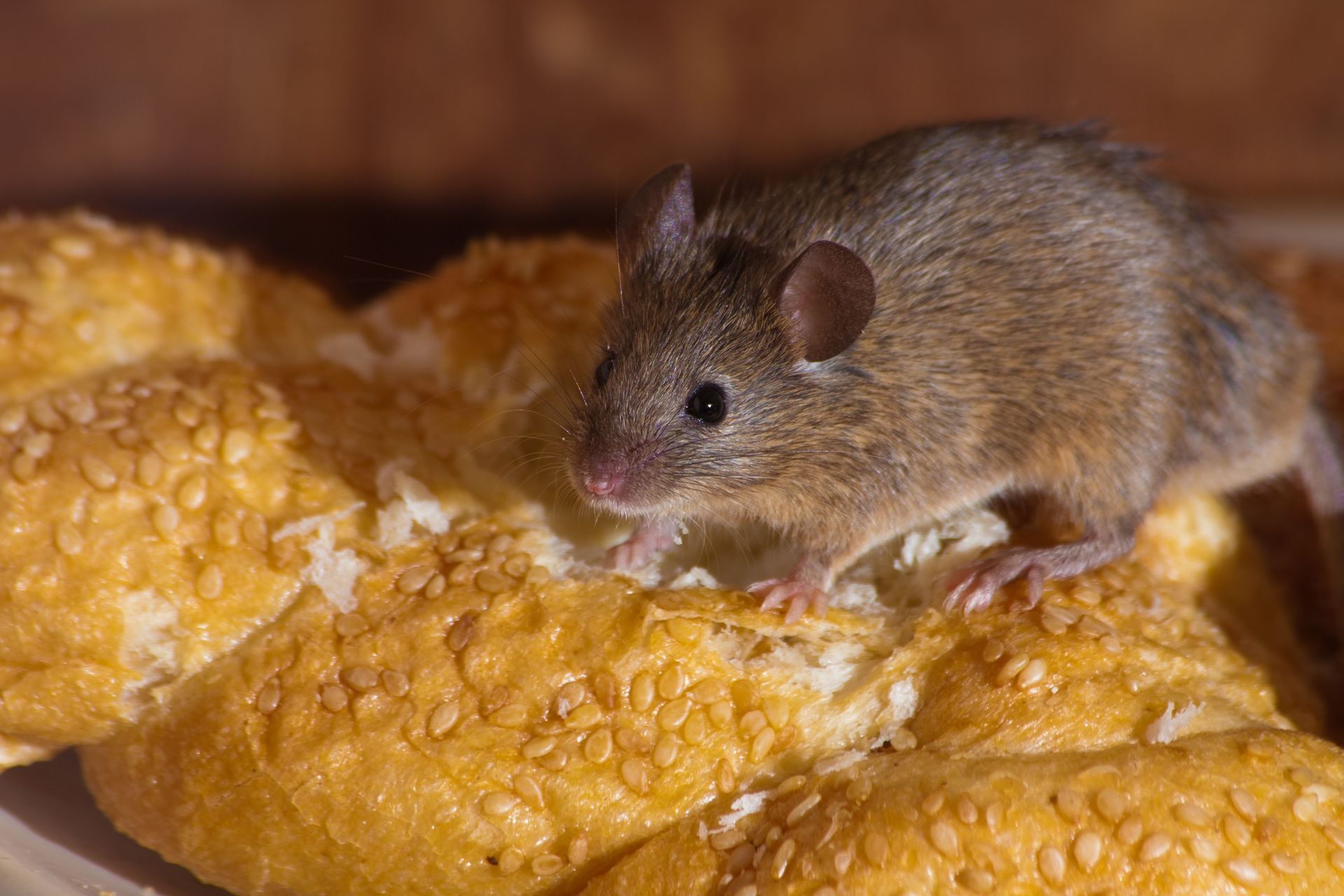
Rats are highly adaptable animals that can survive in a variety of environments. They often establish nests near dependable sources of food, water, and shelter, which makes residential properties attractive when these resources are readily available.
Although rats are generally more active at night, they may adjust their behavior based on food availability, environmental conditions, and activity around their nesting areas. They also tend to travel along walls, pipes, rafters, and other protected surfaces rather than crossing open spaces. This behavior can make their movements difficult to notice until an infestation becomes more established.
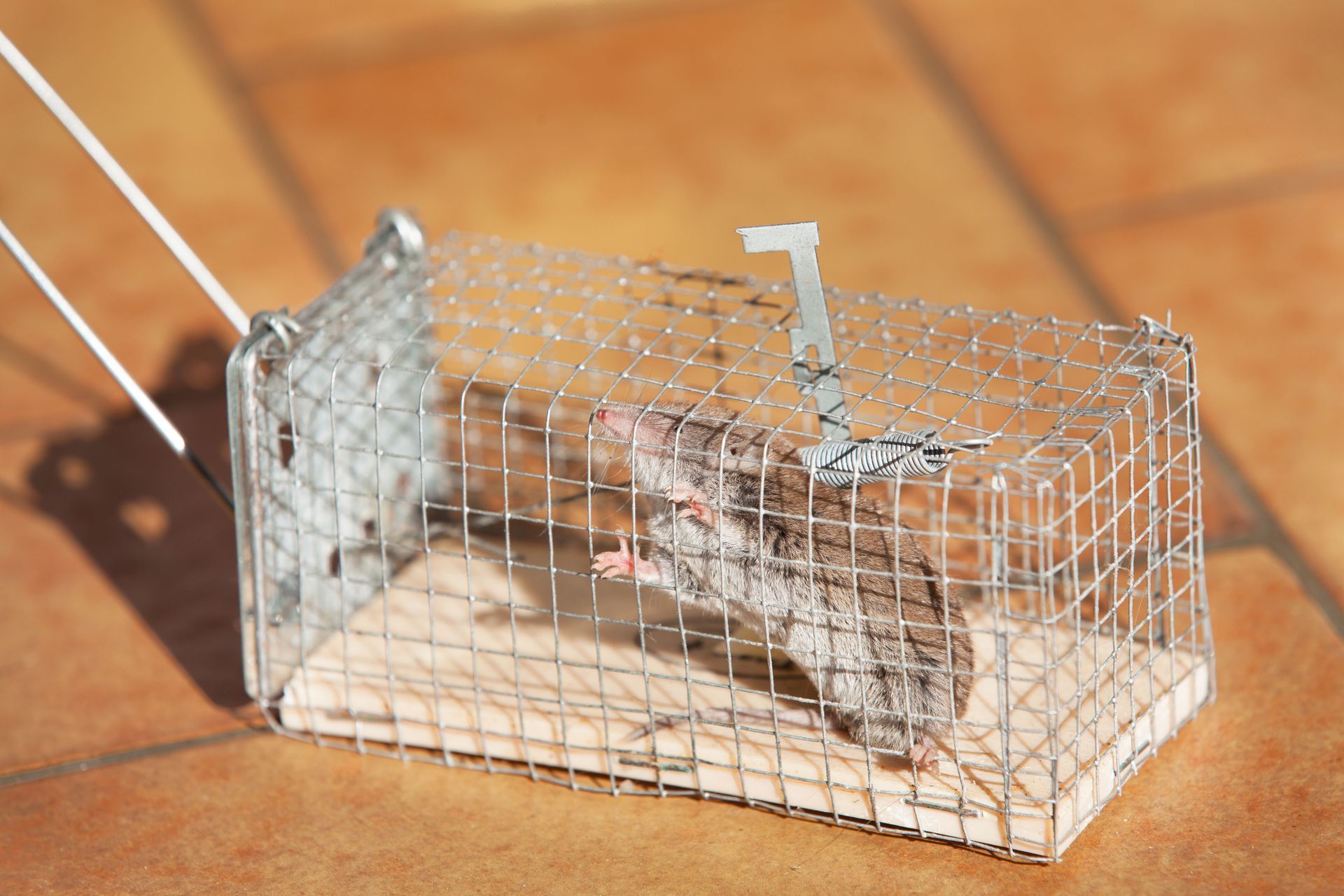
Rats can also learn to avoid unfamiliar objects and respond to changes in their surroundings. For example, they may become cautious around traps or other control devices after encountering them. This intelligence can make do-it-yourself removal less effective, especially when homeowners do not understand the rodents' travel patterns or nesting locations.
Identifying the Hidden Places Rats Use
Another reason rats are difficult to keep out of homes is their ability to establish nests in concealed areas. Attics, crawl spaces, wall cavities, garages, basements, and storage areas can provide shelter with limited human disturbance.
Roof rats may use trees, branches, utility lines, and roof structures to reach upper portions of a home. Norway rats are more commonly associated with ground-level areas, foundations, basements, and burrows near buildings. Identifying the species involved can help determine where to look for activity and which prevention methods are most appropriate.
Homeowners should watch for common signs of rat activity, including:
- Droppings near food storage areas, cabinets, or along walls.
- Gnaw marks on wood, plastic containers, wiring, and other materials.
- Scratching or movement sounds inside walls and ceilings.
- Shredded insulation, paper, fabric, or other nesting materials.
- Greasy rub marks along frequently used travel routes.
- Unusual odors coming from concealed spaces.
Finding these warning signs early can help limit property damage and reduce the likelihood of a growing infestation. A professional rodent control service can inspect concealed areas and identify evidence that homeowners may otherwise miss.
Explaining Why Rats Return After Removal
Removing the rats currently inside a home does not necessarily eliminate the conditions that attracted them. If entry points remain open or food and shelter are still accessible, additional rodents may enter and establish new nests.
For example, placing traps in an attic may remove rats using that space, but the problem can continue if an opening near the roofline remains unsealed. Similarly, removing rodents from a garage may provide only temporary relief if gaps around doors or utility lines allow new animals to enter.
Long-term prevention requires addressing both the existing infestation and the conditions that make a property attractive. This may involve identifying entry points, removing accessible food sources, improving storage practices, and sealing structural gaps. A rodent control service that includes inspection and exclusion can address these underlying issues rather than focusing solely on immediate removal.
Preventing Rats From Finding Food and Shelter
Homeowners can make their properties less attractive to rats by limiting access to the resources these pests need. Although these steps cannot guarantee that rodents will stay away, they can reduce opportunities for an infestation to develop.
Consider these practical prevention measures:
- Secure Food Storage: Keep pantry items, pet food, and other dry goods in tightly sealed containers.
- Manage Household Waste: Use garbage cans with secure lids and avoid leaving trash bags outside overnight.
- Reduce Outdoor Clutter: Clear unnecessary debris, stacked materials, and other potential nesting locations near the home.
- Maintain Landscaping: Trim branches that touch the roof and keep vegetation from creating easy access to exterior structures.
- Address Moisture Problems: Repair leaking pipes and eliminate standing water when possible.
- Inspect Exterior Openings: Check foundations, vents, door sweeps, rooflines, and utility penetrations for potential access points.
These habits help reduce the conditions that encourage rodent activity. However, even well-maintained homes can experience infestations when nearby populations find access through small structural openings.
Evaluating the Risks of a Rat Infestation
Rats create more than an inconvenience. Their chewing habits can damage insulation, stored belongings, building materials, and electrical wiring. Damaged wires may increase the risk of electrical problems and fires, while droppings and urine can contaminate food storage areas and surfaces.
Rodents can also carry pathogens and introduce allergens into indoor environments. Their droppings, urine, and nesting materials may contribute to respiratory irritation, particularly for people with asthma or allergies. Direct contact with rodents or contaminated materials can also create health concerns.
Cleaning affected areas requires care. Homeowners should avoid sweeping or vacuuming up dry droppings, as this can send contaminated particles into the air. Following appropriate public health cleaning guidance and seeking professional assistance when contamination is extensive can help reduce exposure.
Because these risks can increase as an infestation grows, homeowners should not ignore repeated signs of rat activity. Prompt inspection and a targeted rodent control service can help address the problem before it causes more extensive damage.
Choosing Professional Help for Lasting Prevention
Rat infestations often require more than basic trapping because successful prevention depends on understanding how rodents enter, travel through, and use a property. Professional technicians can inspect interior and exterior areas, identify likely entry points, and develop a treatment plan based on the type and extent of the infestation.
Annex Pest Control provides rodent control services throughout the San Diego area, including inspections, trapping, exclusion, and preventative recommendations. Its technicians use targeted methods to address rat and mouse infestations, locate nesting areas, and seal potential entry points with materials designed to resist gnawing. The company also offers follow-up inspections to help confirm that exclusion measures are effective.
With more than 30 years of pest control experience, Annex Pest Control focuses on addressing existing rodent activity while reducing the likelihood of future infestations. A professional rodent control service can provide homeowners with a more thorough approach than relying on isolated traps or temporary fixes.
Keeping Rats Out With Consistent Prevention
Rats are difficult to keep out of homes because they can squeeze through small openings, climb challenging surfaces, adapt to changing conditions, and establish nests in concealed spaces. Even after removal, an infestation may return if the original entry points and conditions remain unaddressed. Combining good sanitation habits with careful property maintenance and professional exclusion can make a meaningful difference in protecting a home. A professional rodent control service can help homeowners address these vulnerabilities and develop a more effective long-term prevention strategy.
When signs of rodent activity appear, Annex Pest Control can inspect your property, identify potential entry points, and recommend targeted solutions to help prevent future problems. Contact Annex Pest Control today to schedule a professional rodent inspection and protect your home from unwanted rats.